“planting matters” search results (2000)

Don't underestimate Kenyan coffee.
Kenya lies to the north of Ethiopia, the origin of Arabica coffee trees, but it was not until the early 20th century that it was engaged in coffee cultivation. In the 19th century, missionaries introduced Arabica trees from Yemen, but did not plant them in large quantities. It was not until 1893, when Brazil's ancient bourbon seeds were introduced, that coffee was cultivated on a large scale. That is to say, the current Kenyan coffee has Brazilian ancestry.
2014-08-22 No underestimate Kenya coffee north neighbor rabbi origin lichen
Coffee Association introduces European Coffee Association (SCAE) barista certification standards
Just like getting a driver's license, the European Special Coffee Association will pass our written, oral and hands-on tests no matter where you received the training or even learned it yourself. There are a large number of barista training institutions around the world, but there is no independent testing and certification mechanism based on knowledge and production capabilities. just like
2014-10-16 Coffee knowledge Coffee Association European Coffee Association SCAE
Cultivation conditions of three native species of coffee beans
Coffee is mainly divided into three categories: Arabica (Arabica), Robusta (Robusta) and Liberia (Liberica), but Arabica and Robsta are mostly in circulation in the market. No matter what it is, it has its advantages and disadvantages, and its purpose and use are not the same. There are about 40 species of coffee plants, but only coffee beans with commercial value can be produced.
2016-05-25 Coffee beans three native coffee cultivation conditions
Introduction to the characteristics of flavor and taste of Panamanian coffee manor
The oceanic climate is a huge system that covers the entire hemisphere. Other currents in the Caribbean originate as far away as Iceland, while some east-west currents in the Pacific Ocean originate half a world away off the coasts of Japan and Indonesia. On the island of Panama, which is less than 100 kilometers wide, these global climate systems interweave and collide with each other, creating an amazing microatmosphere.
2016-09-18 Amazing amazing flavor Panama coffee manor producing area taste characteristics variety
The process from cherry fruit to raw coffee beans
A coffee tree can harvest 3-5 kg of fruit, and raw coffee beans account for 1. 5% of the fruit quality. Going from fruit to raw coffee beans is really a time-consuming and laborious task. Arabian coffee accounts for about 2% of the world's coffee production. The plant is not suitable for high temperature, low temperature, more rain and less rain. Coffee beans are oval and flat, with high quality and rich aroma. Robusta grows coffee.
2014-09-01 Coffee knowledge coffee raw bean evolution coffee bean processing
The production process of coffee beans introduction to the types of coffee beans
Arabian, Robusta and Librian Arabian coffee account for about 2% of the world's coffee production. The plant is not suitable for high temperature, low temperature, more rain and less rain. Coffee beans are oval and flat, with high quality and rich aroma. Robusta coffee has a strong bitter taste, no sour taste, and the flavor is not very good, so it is better to mix it than to use it alone.
2015-03-06 Coffee beans production process type introduction Arab Robbs Booth Libby Asia
Coffee training basics-from fruits to raw coffee beans
Coffee training basics-from fruit to raw coffee beans: a coffee tree can harvest 3-5 kilograms of fruit, and raw coffee beans account for 5% of the fruit quality. Going from fruit to raw coffee beans is really a time-consuming and laborious task. Arabica and Robusta Arabica coffee account for about 2% of the world's coffee production. The plant is not suitable for high temperature, low temperature, more rain and less rain.
2014-10-08 Coffee knowledge coffee basics coffee fruits coffee raw beans
Boutique coffee learns the process of coffee from fruit to beans
A coffee tree can harvest 3-5 kg of fruit, and raw coffee beans account for 1. 5% of the fruit quality. Going from fruit to raw coffee beans is really a time-consuming and laborious task. Arabica and Robusta Arabica coffee account for about 2% of the world's coffee production. The plant is not suitable for high temperature, low temperature, more rain and less rain. Coffee beans are oval and flat, with high quality and rich
2014-11-22 Coffee knowledge boutique caffeine coffee fruit coffee beans
Planting techniques and soil Environment of Coffee trees
(1) weeding, covering the young coffee garden, weeds are easy to breed, especially in the rainy season, weeding should be done once a month. If the labor force is sufficient, clean the grass should be removed first. Adult coffee garden can be weeded once every 2 to 3 months. If you use herbicides, you should be careful not to spray on the branches and leaves of coffee, and it is more important and prudent to use them in young coffee gardens. Coffee has shallow roots and is vulnerable to adverse climates such as high temperature and drought.
2016-06-05 Coffee planting technology soil environment weeding mulching young coffee garden weeds
A brief introduction to the production of Coffee beans
A coffee tree can harvest 3-5 kg of fruit, and raw coffee beans account for 1. 5% of the fruit quality. Going from fruit to raw coffee beans is really a time-consuming and laborious task. The production process of coffee beans Arabian coffee, robusta coffee and Libaria Arabian coffee account for about 2% of the world's coffee production. The plant is not suitable for high temperature, low temperature, more rain and less rain. Coffee beans are
2014-10-29 Coffee knowledge boutique coffee science coffee bean production
How many coffee beans can grow from a coffee tree?
From fruit to raw coffee beans: a coffee tree can harvest 3-5 kg of fruit, and raw coffee beans account for 1. 5% of the fruit quality. Going from fruit to raw coffee beans is really a time-consuming and laborious task. Arabica and Robusta Arabica coffee account for about 2% of the world's coffee production. The plant is not suitable for high temperature, low temperature, more rain and less rain. The coffee beans are oval and flat.
2015-10-15 One coffee can grow how much coffee beans fruit one
Introduction to the treatment methods of Kenyan boutique coffee
Don't underestimate the small farmers in Kenya, they are just like ants, and their overall production capacity is higher than that of large farms, about six to four, which is quite rare in bean-producing countries. Kenyan coffee is widely appreciated by connoisseurs, thanks in large part to small farmers guarding the foothills and producing high-quality coffee. In addition, Kenya beans must have a strict grading system, according to the size of the coffee beans taken out by the washing plant.
2016-07-15 Kenya boutique coffee treatment way method introduction
Basic knowledge of coffee from fruit to raw coffee beans
A coffee tree can harvest 3-5 kg of fruit, and raw coffee beans account for 1. 5% of the fruit quality. Going from fruit to raw coffee beans is really a time-consuming and laborious task. Arabian, Robusta and Liberian Arabian coffee account for about 2% of the world's coffee production. The plant is not suitable for high temperature, low temperature, more rain and less rain. Coffee beans are oval and flat, with high quality
2014-11-14 Coffee knowledge coffee basics coffee common sense coffee fruit coffee beans
Analysis of the process from fruit to raw coffee bean
A coffee tree can harvest 3-5 kg of fruit, and raw coffee beans account for 1. 5% of the fruit quality. Going from fruit to raw coffee beans is really a time-consuming and laborious task. Arabian, Robusta and Liberian Arabian coffee account for about 2% of the world's coffee production. The plant is not suitable for high temperature, low temperature, more rain and less rain. Coffee beans are oval and flat, with high quality
2015-09-15 Fruit coffee beans process analysis one coffee tree can harvest 3-5 kg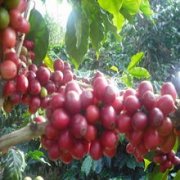
Coffee knowledge three native species of coffee
Coffee is mainly divided into three categories: Arabica (Arabica), Robusta (Robusta) and Liberia (Liberica), but Arabica and Robsta are mostly in circulation in the market. No matter what it is, it has its advantages and disadvantages, and its purpose and use are not the same. There are about 40 species of coffee plants, but only Allah can produce coffee beans of commercial value.
2015-03-04 Coffee knowledge three original
Can coffee be relieved at coffee farms in Kenya?
Kenya is bordered to the north by Ethiopia, the origin of Arabica coffee trees, but it was not until the beginning of the 20th century that coffee cultivation began. In the 19th century, missionaries introduced Arabica trees from the leaves, but did not plant them in large quantities. It was not until 1893 that coffee was cultivated on a large scale because of the introduction of Brazil's ancient bourbon seeds. That is to say, Kenyan coffee is of Brazilian origin, because of water.
2016-05-24 Kenya coffee farm antialcoholic
Washed Kenyan Arabica Coffee
Kenya is bordered to the north by Ethiopia, the origin of Arabica coffee trees, but it was not until the beginning of the 20th century that coffee cultivation began. In the 19th century, missionaries introduced Arabica trees from the leaves, but did not plant them in large quantities. It was not until 1893 that coffee was cultivated on a large scale because of the introduction of Brazil's ancient bourbon seeds. That is to say, Kenyan coffee is of Brazilian origin, because of water.
2016-06-29 Washing treatment Kenya rabbi coffee type introduction boutique
How to identify the quality of coffee beans
The cup test is very important for the taste of coffee beans, no matter how much the flavor of a bean is advertised, or how much the baking level is boasted, before it is offered to consumers on the shelves, have been judged by the cup test. The baking bean merchant will take the sample beans from the raw bean merchants, then test and bake them themselves, and then do the cup test in person.
2016-04-01 How to identify coffee beans quality cup test this link for coffee beans
Kenya coffee production introduction three beans guest coffee roaster
Kenya borders Ethiopia to the north, where the Arabica coffee tree originated, but coffee cultivation did not begin until the early 20th century. Missionaries introduced Arabica trees from Yemen in the 19th century, but they did not plant them in large quantities until 1893, when they introduced the ancient seeds of Bourbon coffee from Brazil. Coffee in Kenya is of Brazilian descent.
2016-06-13 Kenya Coffee Origin Introduction Three Beans Roaster
How to lose weight Coffee weight loss ingredients in coffee
Chlorogenic acid is the most abundant polyphenol and main antioxidant in coffee. Of all the plants, coffee contains the most chlorogenic acid, which can reduce the absorption of oil in the field. Quinilactone can increase the elimination of grease by cells, and caffeine can produce heat in the human body, thus accelerating energy consumption. Cholesterol is divided into high density cholesterol and low density cholesterol, the former
2016-05-31 Coffee how to lose weight ingredients